

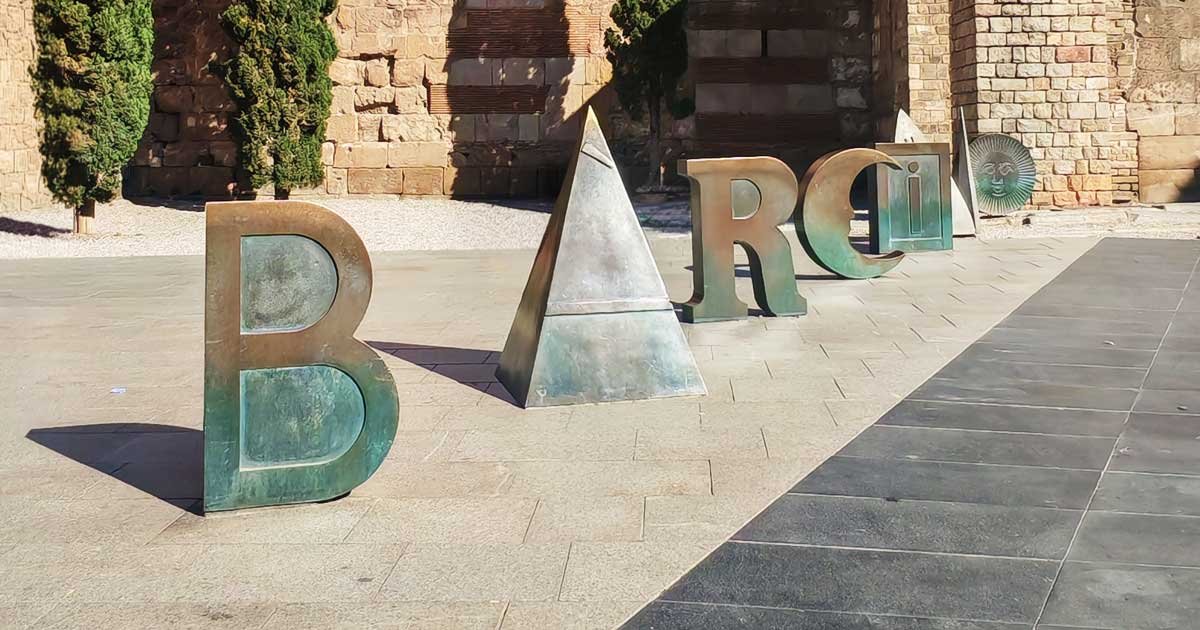
Few cities have put the tourism debate on the table as forcefully as Barcelona. Between the saturation of certain neighbourhoods and the feeling that some areas have become a theme park, visiting Barcelona today invites an uncomfortable but necessary question: can you visit the city without being part of the problem?
What is responsible tourism in Barcelona? It means travelling in a way that respects the place and those who live in it: spreading the impact instead of concentrating it, spending money in local businesses, and engaging with the culture rather than consuming it in passing. The answer is yes — and it has a name: responsible tourism.
What is (and isn’t) responsible tourism?
Responsible tourism isn’t about stopping travelling or feeling guilty for doing so. It’s about travelling in a way that respects the place and those who live in it: spreading the impact instead of concentrating it, spending money in local businesses rather than only in big chains, and engaging with a place’s culture instead of consuming it in passing for a photo. It’s the difference between being a traveller and being a mass tourist.
Why does it matter especially in Barcelona?
The underlying problem in Barcelona isn’t so much the number of visitors as their concentration. Thousands of people following the same route, at the same time, through the same four streets, while entire neighbourhoods just as beautiful remain empty. That concentration is what strains coexistence and wears down the most visited places. Responsible tourism proposes exactly the opposite: leave the saturated circuit, move at different times, discover the neighbourhoods from within.
How to travel more responsibly in Barcelona?
- Avoid peak hours and saturated spots. The same streets early in the morning or late in the afternoon are a different city. And many neighbourhoods outside the tourist circuit offer just as much or more, with a fraction of the people.
- Support small and local businesses. Small shops, neighbourhood bars, voices of those who live the place. The authentic is almost never where the groups gather.
- Get around on foot. Walking reduces your footprint, connects you with the real scale of the city and takes you to corners a tourist bus never reaches.
- Listen to those who live the place. Getting to know a neighbourhood through its locals — and not from a script repeated twenty times a day — is the most respectful and honest way to approach it.
- Travel at your own pace, not in a herd. Exploring the city alone or in a small group, without following an umbrella through the crowd, reduces the pressure on spaces and gives you a much more intimate experience.
A sound way to do it
Ando was born precisely from this idea: we believe in being travellers, not mass tourists, and in reconnecting with the essence of each place through the stories of those who inhabit it. Our routes are experienced individually or in small groups, on foot, narrated by locals from the neighbourhood. It’s responsible tourism by design: you discover the city at your own pace, without overcrowding it, truly listening to it. If the concept interests you, we explain it in depth in what is sound tourism.